A new review by Lara Abad, Emanuela Leonardi, and Silvio C.E. Tosatto has been published in Molecular Oncology, exploring the emerging connection between protein aggregation and cancer biology.
Titled “The VHL tumor suppressor at the crossroad of protein folding, aggregation, and cancer”, the article examines the role of the von Hippel–Lindau tumor suppressor protein (pVHL) and its ability to transition from its native folded state to aggregated forms in response to mutations, cellular stress, and dysfunctional chaperone systems.
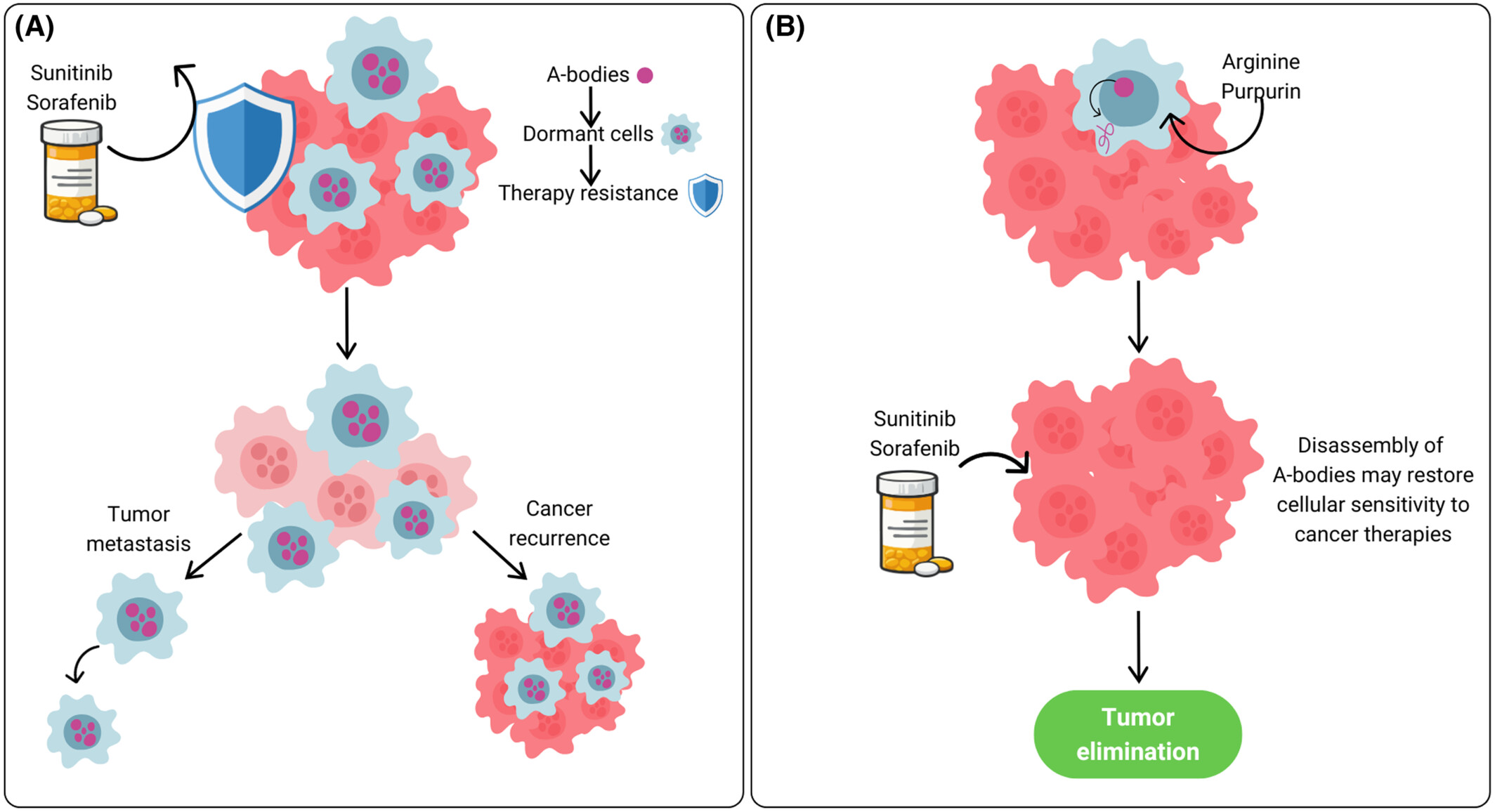
The authors discuss the implications of pVHL aggregation for cellular dormancy, drug resistance, and cancer recurrence, highlighting how protein aggregation may contribute to tumor adaptation and survival. The review also explores potential therapeutic strategies, including chemical chaperones and amyloid inhibitors, which could help restore tumor suppressor activity and overcome dormancy-associated resistance.
By bringing together insights from protein folding, aggregation biology, and oncology, the review offers new perspectives on the molecular mechanisms that influence cancer progression and treatment response.
Interested in how protein aggregation is reshaping our understanding of cancer biology? Read the full article here: https://febs.onlinelibrary.wiley.com/doi/10.1002/1878-0261.70325
The review also brings together structural, cellular, and cancer-related perspectives on pVHL. The figures below illustrate two key aspects discussed in the article: pVHL folding and quality control, and the potential role of its aggregation in tumor dormancy and treatment resistance.
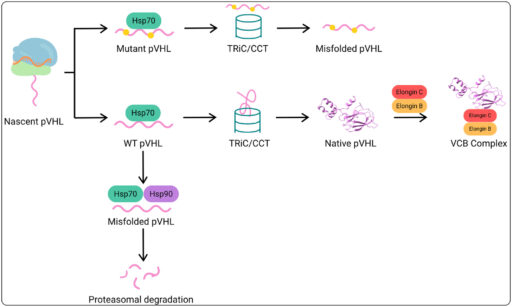
Overview of the mechanisms regulating pVHL folding and the consequences of impaired protein homeostasis.
Source: Abad et al., Molecular Oncology (2026).
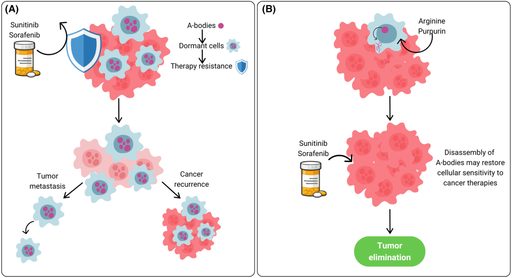
The proposed link between pVHL aggregation, tumor cell dormancy, drug resistance and cancer recurrence.
Source: Abad et al., Molecular Oncology (2026).